You never know when Mount Fuji will appear.
The images of Thirty-six Views of Mt. Fuji by Hokusai are well known icons of connection between nature and culture. People all over the world are familiar with the images Great Wave and Red Mt. Fuji. They might not know who created them and when, but Mount Fuji is considered a masterpiece of nature.
I most likely won’t be able to go to Japan and see Mount Fuji, as well as other big mountains and rivers on the planet, in person. Do I need to? I have lived in Canada for 36 years. When I spent time in nature exploring wilderness of Ontario, Mount Fuji appeared. I don’t remember the exact moment when Mount Fuji started appearing for me. At some point I started photographing her.
Mount Fuji is a symbol that appears in “ordinary” moments. The meaning of this icon is the reminder of our connection with nature that we have to treasure and be careful not to loose.
Here are some of my views.
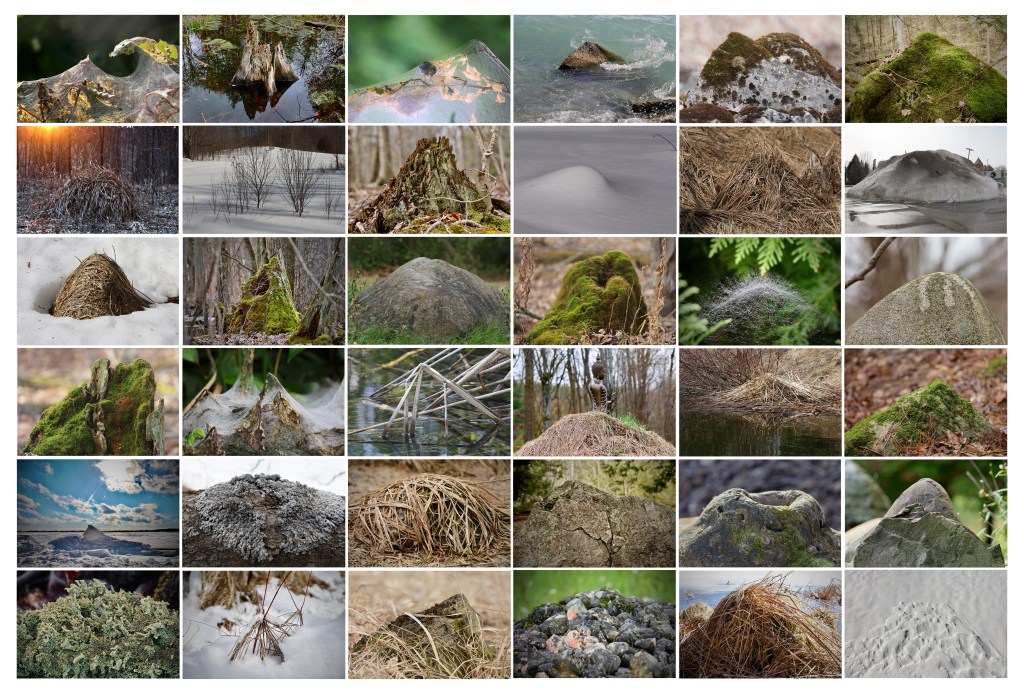
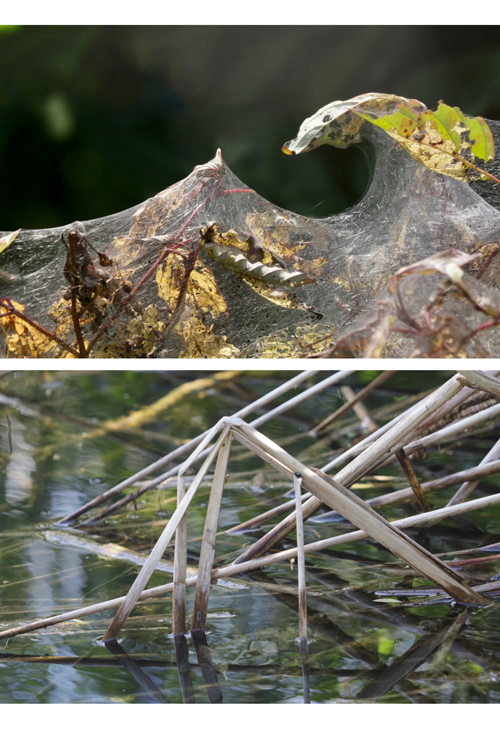
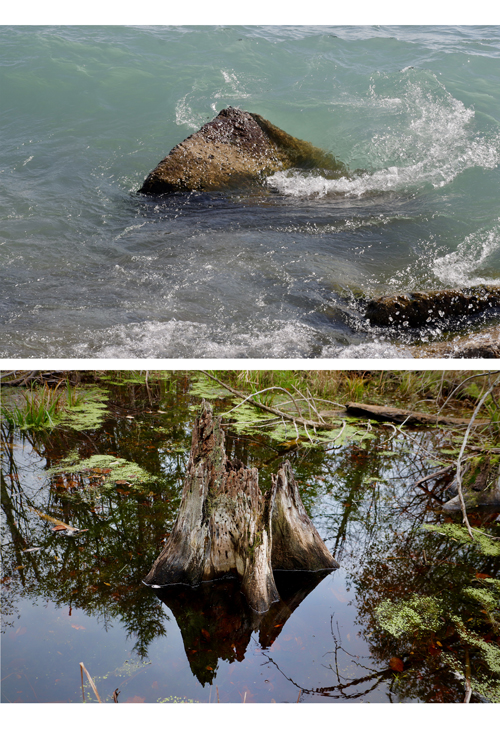
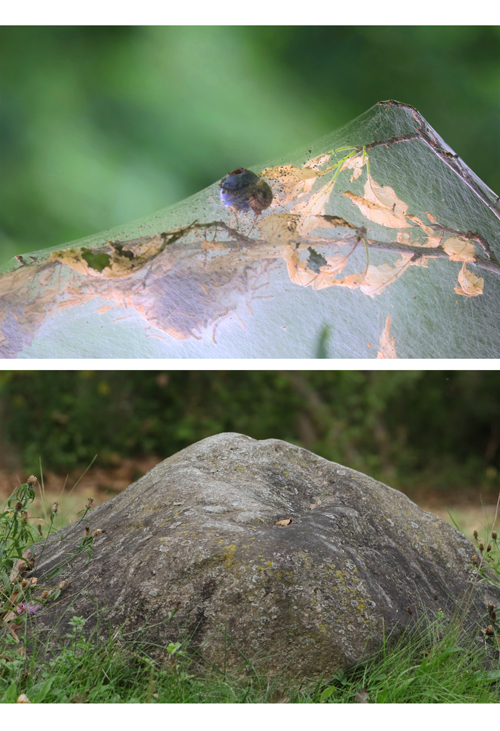
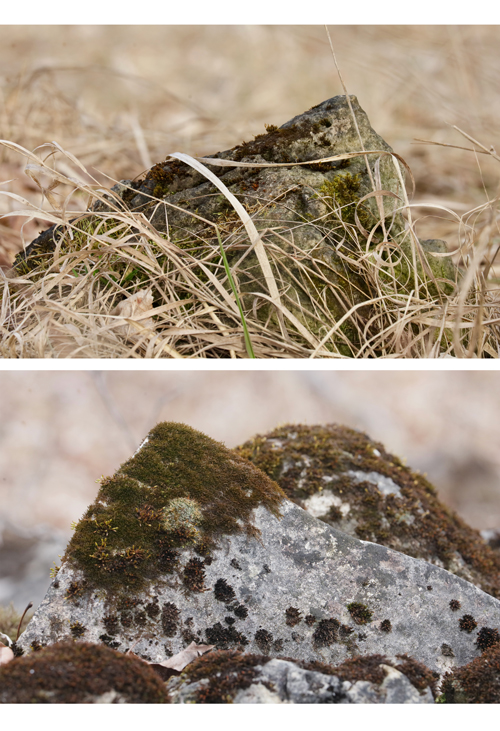
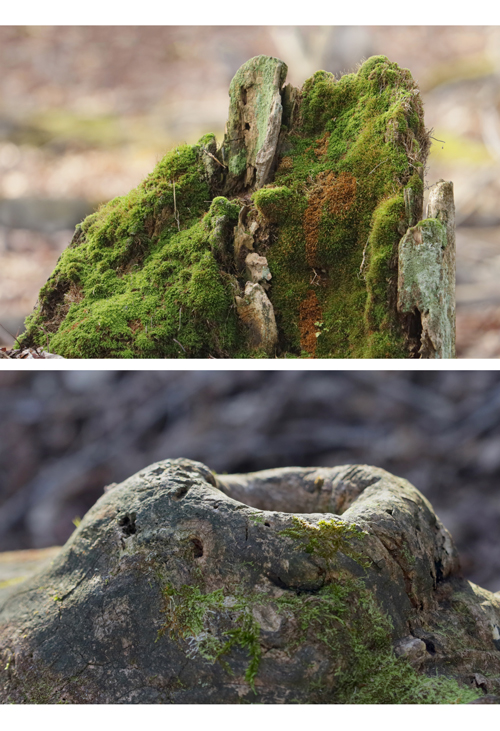
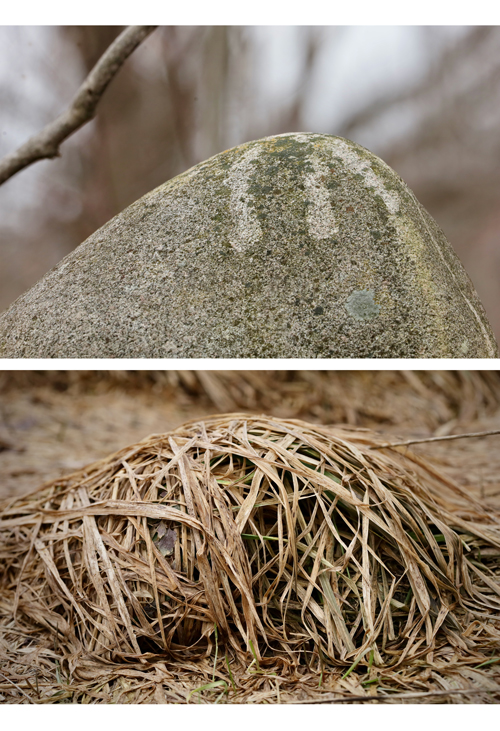
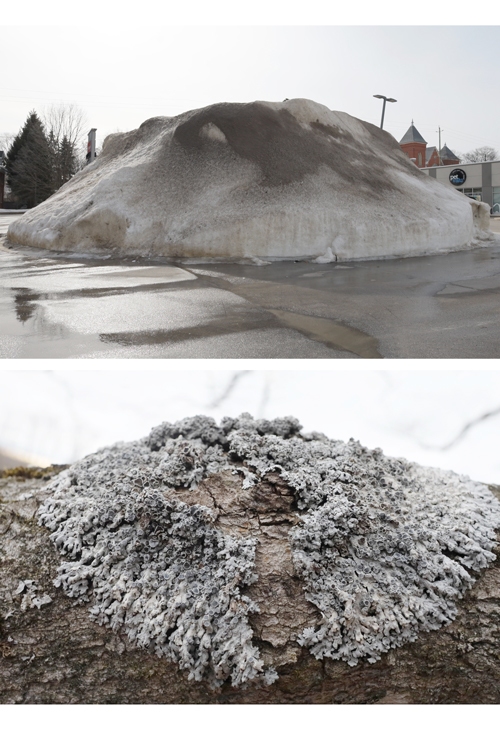
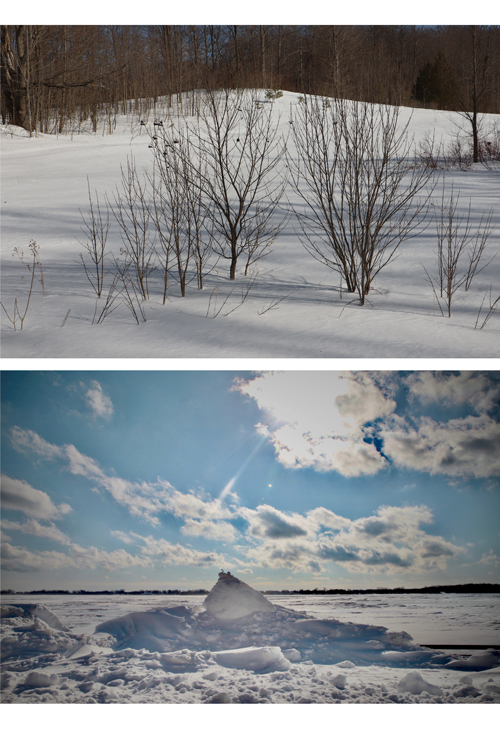
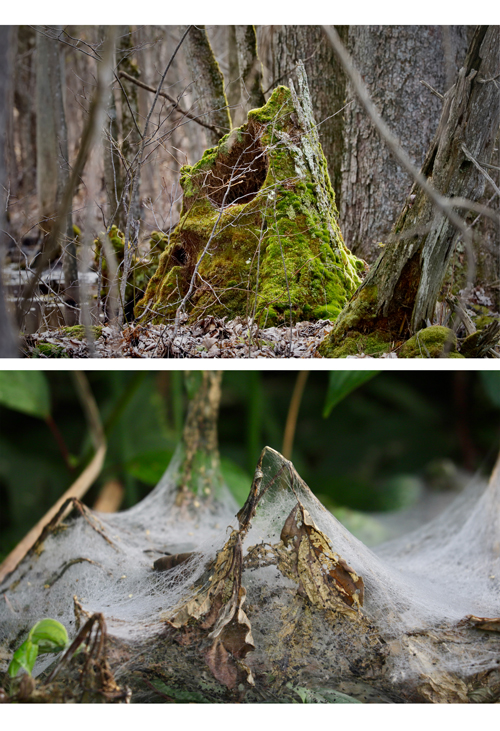
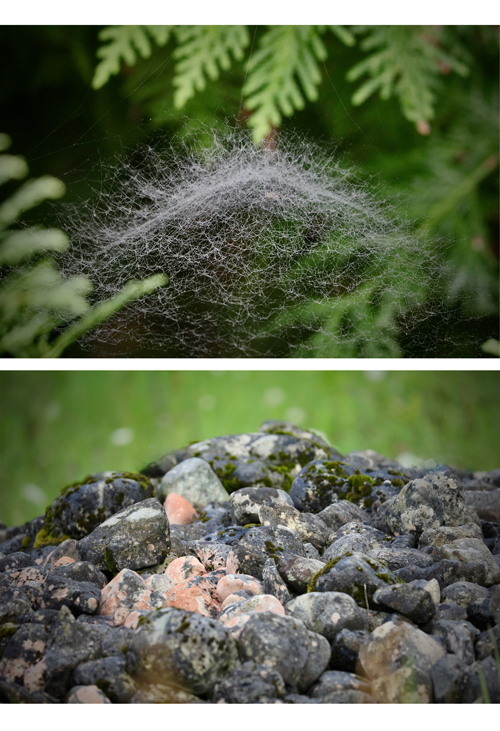
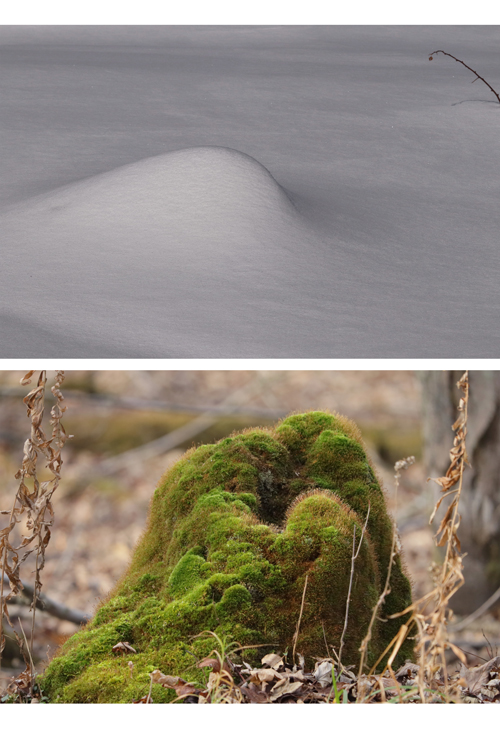
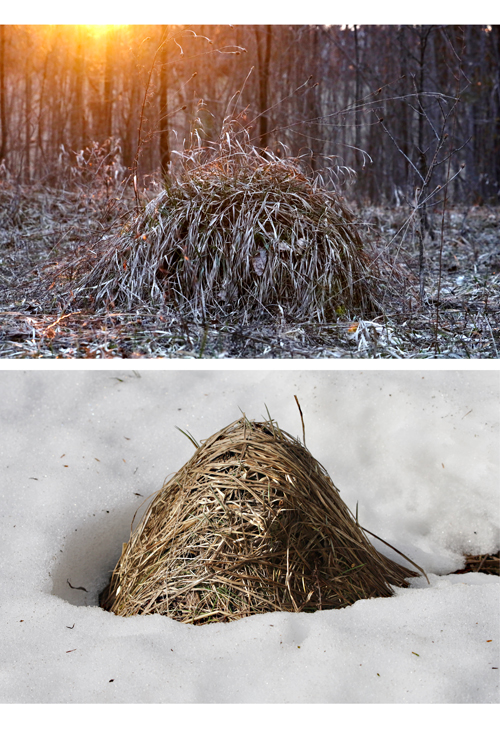
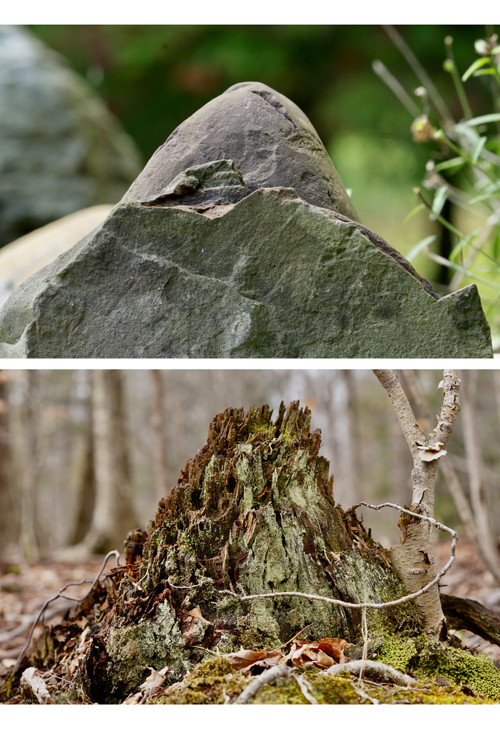
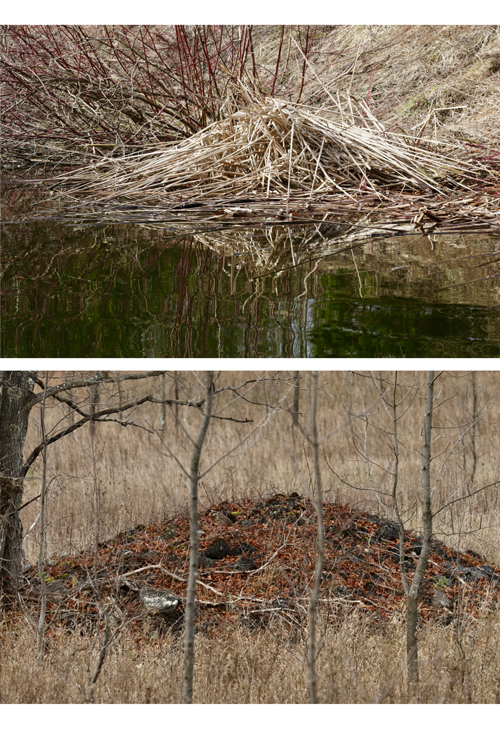
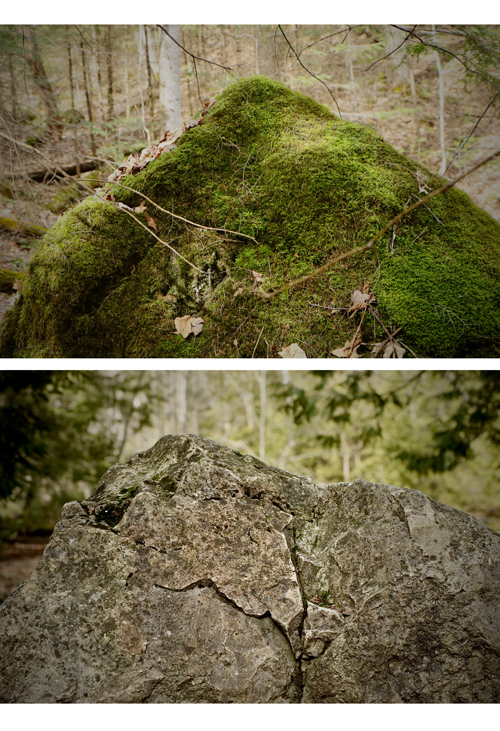
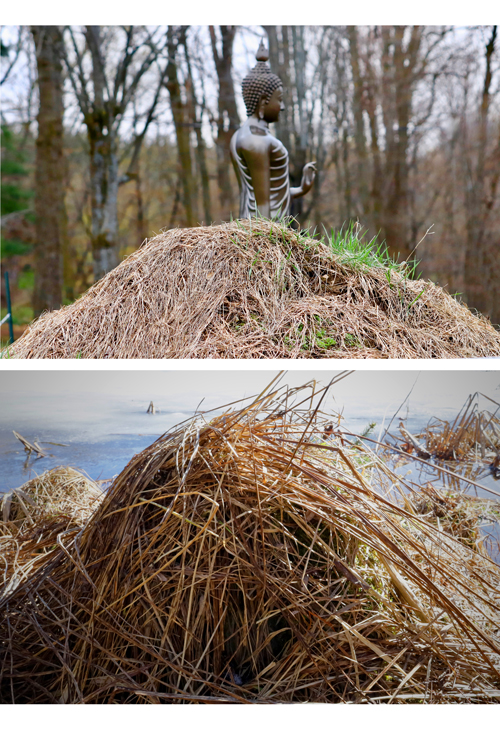
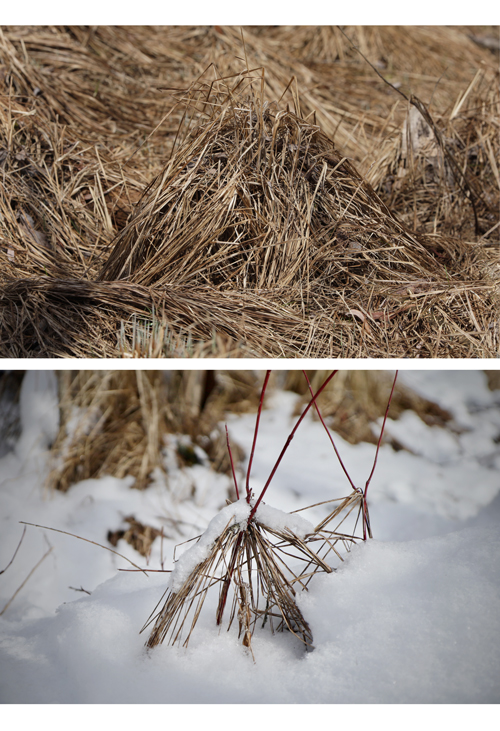
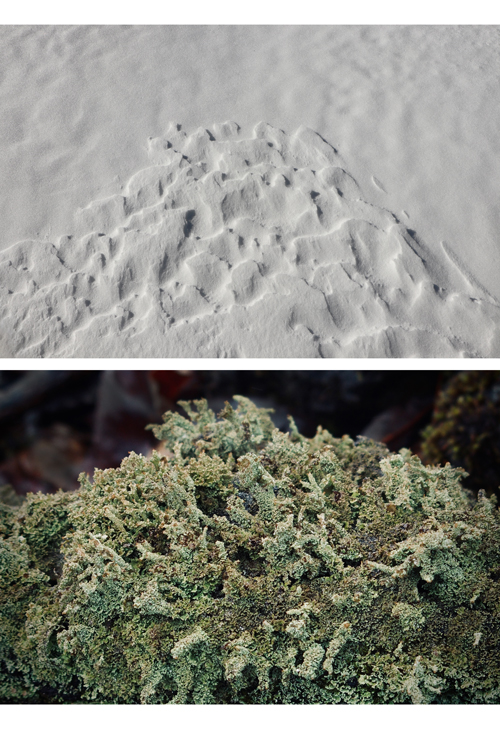
Reflections on – or from – Ivona’s “36 Views of Mt. Fuji
by Randall Baker
It’s a struggle to put words to 36 Views of Mt. Fuji. The struggle is legitimate, however: in a very important sense, with words, we risk diminishing the depth and impact of these remarkable photographs. We can say, however, that as contemplations on Hokusai’s extraordinary print series, the assemblage of photos serves a profound purpose.
Throughout almost our entire lives, we take almost all of our experience for granted – rarely, if ever, looking deeply at our experience, just as it is. It’s a truism to say that real seeing is exceedingly rare. Can we say that, given the utter ephemerality of experience, it – “true seeing” – ever happens? This reflection really requires of us endless contemplation.
Can we perhaps say that these photographs dissolve Mount Fuji so that we can see: It? [Can we “leverage” – through clear seeing – these works of the photographic art to assist in the breaking-up of our fixed (and therefore deadening) world-views, bringing about an incalculable enrichment of those views? They press us to really see them; Also to see Hokusai’s Fuji, or Fujis.
Thus Heraclitus: You can’t step twice in the same river.
We can’t twice see Mount Fuji.
We can’t twice see the same stack of grass. The same snow hill. Spiderweb.
You can’t see the same photo twice.
A more penetrating question: can we see these [entities] even once? [This may be the most essential question of our lives.]
We can also leave behind the inadequacy of these [verbal] reflections, and [have recourse to] the teachings of [masters,] sages and poets.
Su T’ung Po:
The sounds of the valley streams are [His / The Buddha’s] long, broad tongue;
The forms of the mountains are his pure body.
In the night I heard a myriad of sutra-verses uttered;
How can I now relate to others what they mean?
The green mountains are always walking.
-Daokai
You should study the green mountains, using numerous worlds as your standards.
-[Zen Master] Dogen
[ ? As the plump squirrel scampers
Across the roof of the corncrib,
The moon suddenly stands up in the darkness,
And I see that it is impossible to die. ?]
Each moment of time is a mountain.
An eagle rejoices in the oak trees of heaven,
Crying,
This is what I wanted.
-James Wright, ‘Tonight I was so happy, so I wrote this poem’
Among twenty snowy mountains,
The only thing moving
Was the eye of the blackbird.
-Wallace Stevens, ‘Thirteen Ways of Looking at a Blackbird’
you must rise above
the gloomy clouds
covering the mountaintop
otherwise, how will you
ever see the brightness?
-Taigu Ryokan, ‘Rise Above’
 Iwona Lemke Konart